Although as much as 97% of the clothing and footwear we currently wear in the UK is now made overseas, this was not always the case. Until the 1970s, there were millions of garment and textiles workers in the UK - known then as the “workshop of the world”. Traces of the UK’s clothing and textile manufacturing heritage remain today in places like Leicester, where a shrinking number of suppliers still vie for orders in the competitive global market. Our research team has investigated the lives and labour of women garment workers in the UK’s own clothing production industry since 2023. Dr Evie Gilbert, lead researcher for the UK, here introduces our field site.
All photos © Gilbert 2025 Leicester
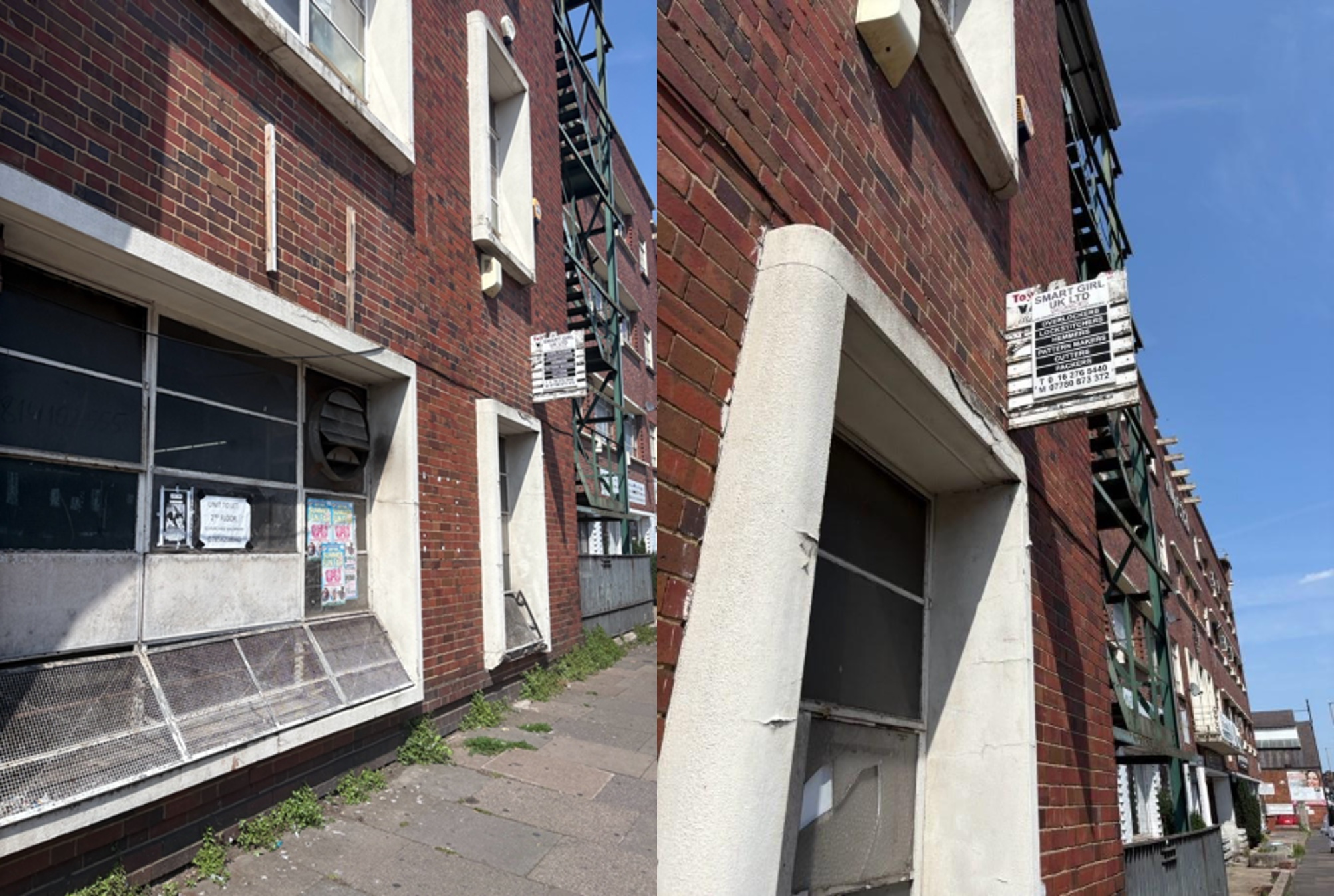
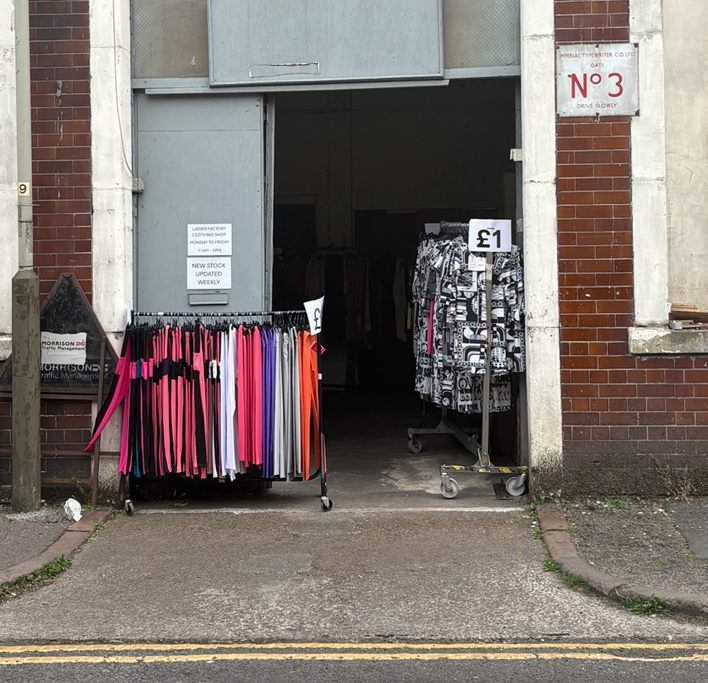
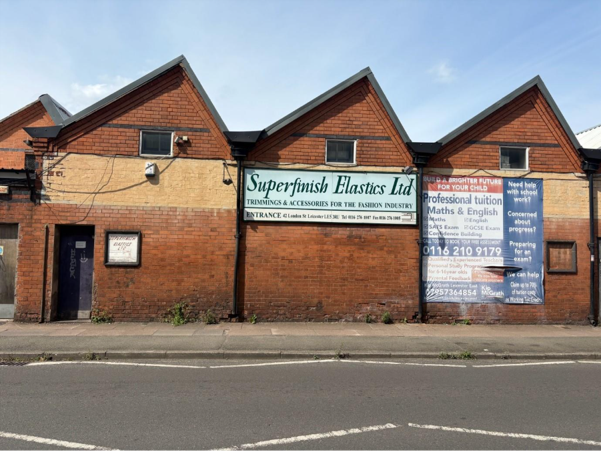
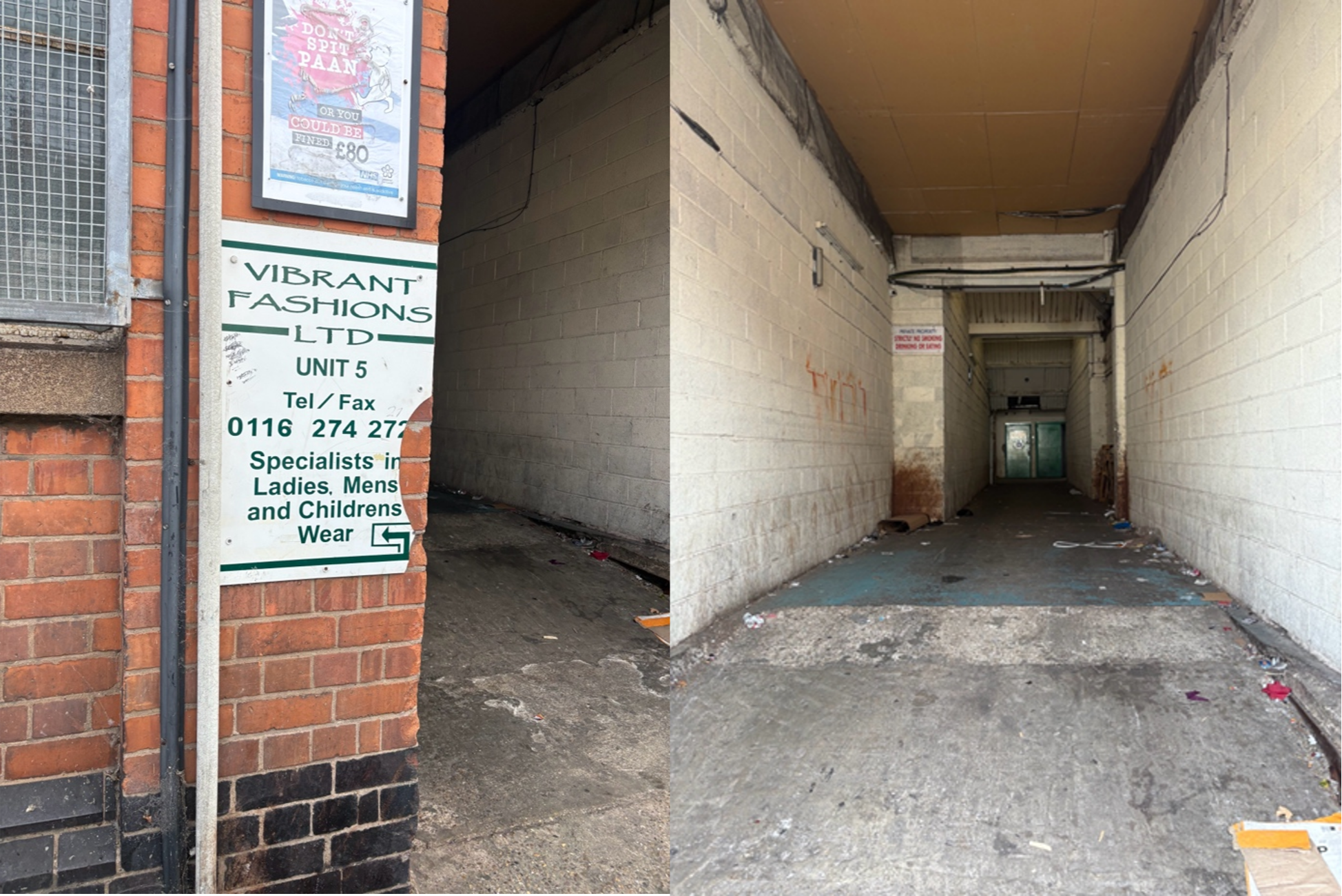
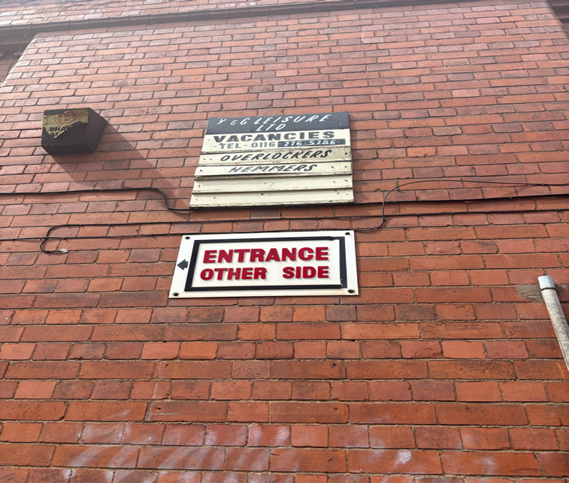
Walking through Leicester’s industrial estates in 2025, it is difficult to imagine that this city once stood at the centre of the global garment trade. Many of the factories are shuttered, their signage faded or torn, units behind rusted gates. A prominent image in the media is of the old Imperial Typewriter building, now split into small workshop style factories, with the majority of the building unused, and small vacancy and To Let signs hanging over the windows.
Once dubbed "Leicester Clothes the World," the city is central to the UK’s textile manufacturing past. In the 20th century, factories like Corah and Stibbe employed thousands of workers. The scale of production was immense, but Leicester’s manufacturing base was hit hard by the global shift to offshore production from the 1970s onwards. Just as factories were closing, the city became home to waves of South Asian and East African migrants arriving in search of work.
These new communities brought skills and supported the continuation of the textile industry. Former factory workers became owners and managers, adapting to a changing industrial landscape. Garment manufacturing transformed in Leicester. By the early 2000s, the city had become the centre of fast fashion in the UK. Small units, often housed in converted warehouses, fulfilled the ultra-rapid production schedules of online brands. Boohoo in particular drove local production but this came at a human cost.
Our research has taken us to industrial sites around Spinney Hills where small scale workshops continue to produce clothing, and textiles are carted between small garages in shopping trolleys. In the wake of the 2020 Boohoo scandal, in which journalists exposed illegal wages as low as £3.50 per hour and unsafe conditions, the industry imploded, and brands wiped their hands clean of their association with Leicester. The scale of exploitation in Leicester shocked consumers. Many factories operated with “composite wages,” where a worker might be paid officially for 20 hours, but expected to work 40 or more.
As a result, the number of active units in Leicester fell from over 1,000 to under 100. For workers, most of whom had no formal contracts, minimal legal protections, and few alternatives, this has meant sudden unemployment and even greater precarity. While the Boohoo scandal brought public attention to labour abuses at home, the exposé did little to address systemic abuses, instead leaving behind widespread unemployment.
Despite the industry's collapse, the workforce in Leicester still bears the traces of its embeddedness in local neighbourhoods. Many workers live just streets away from the factories, and childcare, housing, and community life have long revolved around garment work.
The majority of the workforce are South Asian, some from Gujarati communities expelled from Uganda in the 1970s, others more recently arrived from India, Pakistan, and Bangladesh. Increasingly, Eastern European workers have also become part of the sector’s shifting demographic.
Garment work has long been one of the few accessible employment options for Leicester’s working-class communities, especially women. Many women have worked for decades without ever needing to learn English. This closeness, however, also creates insularity and limits access to wider employment or support services.
The Boohoo exposé was supposed to bring change, but it has not done so in the way workers may have hoped. With factories closed, thousands of workers have found themselves without income and reliant on community centres for access to food banks and employment, housing and welfare advice.
Exploring the old factory sites there was definitely an atmosphere of suspicion, with local business owners checking to see if we were reporters to talk about Boohoo again. The significant research and media attention has generated a fear that the perception of Leicester has discouraged investment, making it even harder for workers to find new opportunities.
Yet, the industry persists and there is growing attention on the future of manufacturing in Leicester through initiatives such as ‘Leicester Made’. While the original factory sites are much quieter than during the city’s manufacturing prime, campaigns are seeking to transform the sourcing site as one with potential for a role in sustainable fashion.