
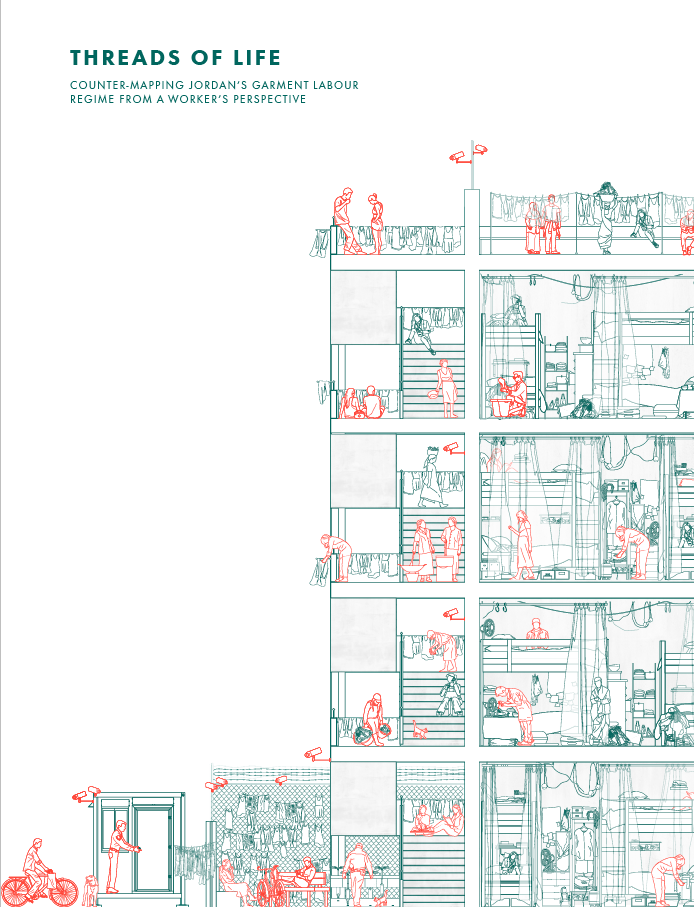
Threads of Life
Counter-mapping Jordan’s garment labour regime from a worker’s perspective
What do life and labour look like inside a walled, largely inaccessible global clothing production site? How do garment workers navigate everyday routines between factories and dormitories in an environment controlled around the clock by their employers? And how does this labour regime shape workers’ mobility, health, and well-being?
Our report Threads of Life: Counter-Mapping Jordan’s Garment Labour Regime from Workers’ Perspectives offers intimate insights into the everyday experiences of labour in the global fashion industry. It builds on three years of ethnographic research, participatory mapping, and collaborative planning with workers. The report centres the stories, voices, and practices of predominantly women workers from Jordan, Syria, Bangladesh, and across South Asia, reinterpreting secluded global production sites from the perspective of those who are compelled to make a living within them.

Who pays?
Brand purchasing practices in UK fashion manufacturing
Who Pays? Brand Purchasing Practices in UK Fashion Manufacturing presents findings from the first national survey of UK garment manufacturers, led by the Invisible Workers team at the University of Nottingham and the University of Leicester, in partnership with Transform Trade. The report examines how brand purchasing practices, including pricing pressures, late payments, and last-minute order changes, shape working conditions within UK fashion supply chains. It highlights the impacts on workers, including increased overtime, reduced hours, job insecurity, and redundancies. Challenging assumptions that these issues exist only overseas, the report argues for stronger accountability in UK garment manufacturing, including the establishment of a UK Garment Trade Adjudicator.
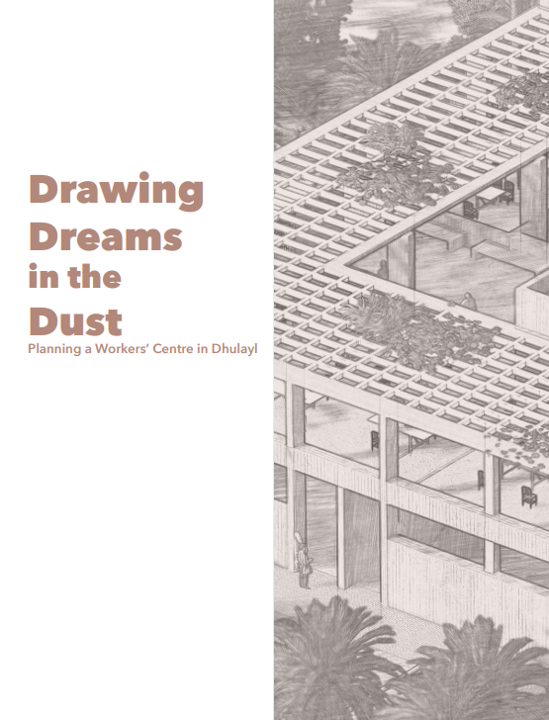
Drawing Dreams in the Dust
Planning a Workers’ Centre in Dhulayl
Approximately 20,000 factory workers live in and around the Ad-Dhulayl industrial zone in Jordan, many of whom are migrant workers. Workers perceive acute lack of safety in the industrial zone and its surrounding residential districts. The lack of safe public space in the area deprives factory workers and local inhabitants of opportunities for socialising, exercising, or relaxation; exacerbating social isolation, mental stress and bodily ill-health. To contribute to on-going discussions between industry stakeholders to create a Workers’ Centre that provides a safe space for workers to relax, air grievances, and seek support, we invited workers from Jordan, Syria, Bangladesh and Nepal to participate in planning workshops for a local community centre in May 2025. Drawing Dreams in the Dust presents the outcomes of these workshops: workers’ own imaginaries of a Workers’ Centre for Dhulayl.
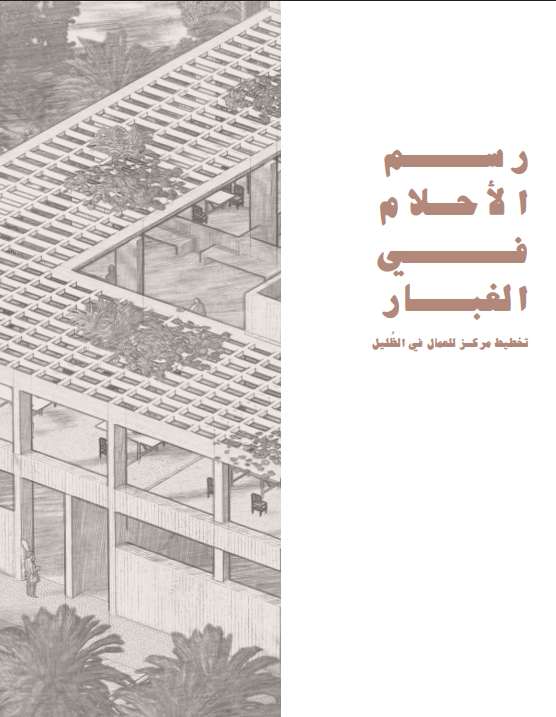
رسم الأحلام في الغبار
تخطيط مركز للعمال في الضليل
يعيش نحو 20 ألف عامل وعاملة في المنطقة الصناعية في الضليل بالأردن وفي الأحياء السكنية المحيطة بها. ويعبّر عمال المصانع، ومعظمهم من العمال المهاجرين، عن شعور حاد بانعدام الأمان داخل المنطقة الصناعية وفي محيطها السكني. كما أن غياب المساحات العامة الآمنة يحرم عمال المصانع والسكان المحليين من فرص التواصل الاجتماعي، وممارسة النشاط البدني، والاسترخاء، مما يفاقم العزلة الاجتماعية، والضغط النفسي، وتدهور الصحة الجسدية.
وفي أيار/مايو 2025، وفي إطار الإسهام في النقاشات الجارية بين الجهات المعنية في قطاع الصناعة حول إنشاء مركز للعمال يوفّر مساحة آمنة للراحة، وطرح الشكاوى، وطلب الدعم، دُعي عمال وعاملات من الأردن وسوريا وبنغلادش ونيبال للمشاركة في ورشات تخطيط لمركز مجتمعي محلي.
يقدّم «رسم الأحلام في الغبار» نتائج هذه الورشات، ويعرض تصوّرات العمال أنفسهم لمركز للعمال في الضليل.
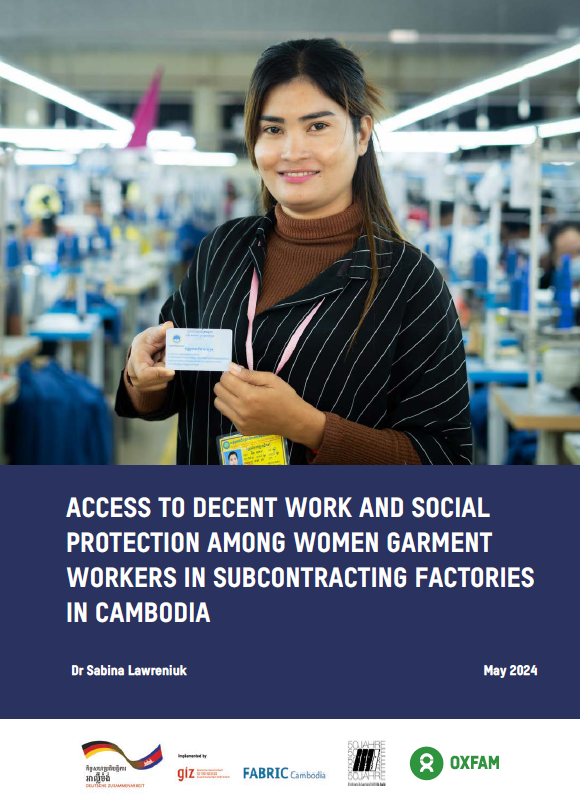
Access to decent work and social protection among female garment workers in sub-contracting factories in Cambodia
The report examines the working conditions and access to social protection for women employed in Cambodia’s garment subcontracting factories: a rapidly growing but poorly regulated part of the apparel industry. While Cambodia’s formal garment sector has made progress in labour rights and worker protections, many subcontracting factories operate outside effective oversight, leaving workers vulnerable to exploitation and insecurity. Subcontracting has become increasingly common as suppliers respond to pressure from international buyers for lower costs, faster production, and flexible orders. However, this system often shifts production into smaller, less regulated factories where labour laws are weakly enforced. Women, who make up the majority of Cambodia’s garment workforce, are disproportionately affected.
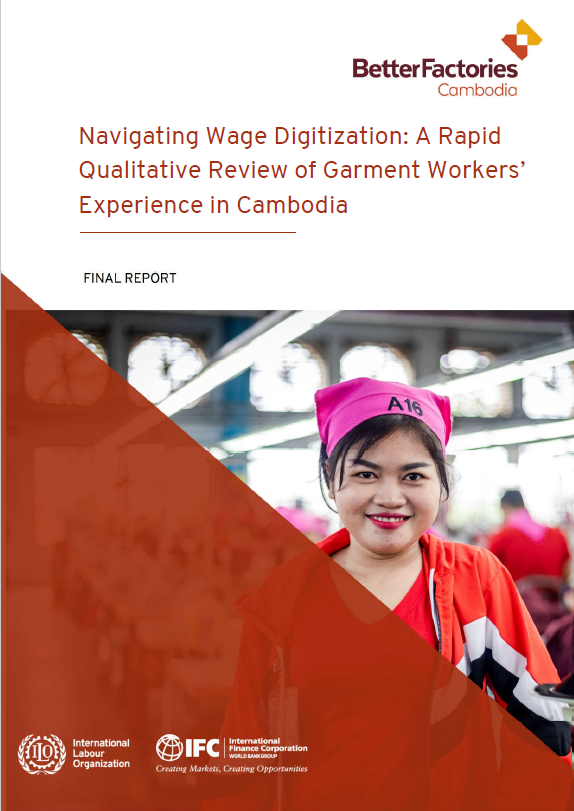
Navigating Wage Digitization
A Rapid Qualitative Review of Garment Workers’ Experience in Cambodia
This report examines how garment workers in Cambodia, particularly women, are experiencing the shift from cash wages to digital wage payments. While many workers were initially hesitant, the study found growing acceptance over time due to increased convenience, security, and access to formal financial services. However, the report also highlights ongoing challenges, including low digital and financial literacy, limited access to ATMs and banking services, new security risks, and the exclusion of some vulnerable workers. It calls for a more responsible and inclusive approach to wage digitization, with better worker training, stronger protections, and greater involvement from unions, factories, financial institutions, and global brands.